The Strategic Stone Study in Dorset
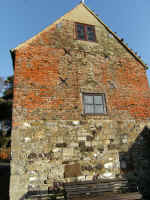
Between September 2009 and March 2010 DERC was involved in the Strategic Stone Study. The project was organised by English Heritage and the British Geological Survey for the conservation of historic buildings.
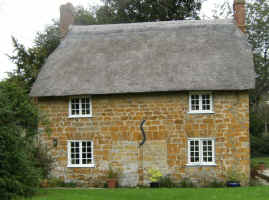
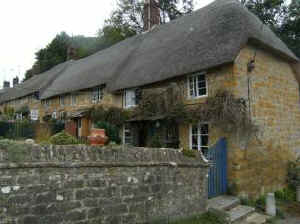
The wonderful collection of picturesque rural villages found in Dorset is under a constant threat from deterioration and development. To preserve the characteristics of these villages new building and repairs need to use the same building stone as the original buildings. In the past, local stone from a local quarry would have been used but the majority of building stone quarries have been closed and, since the beginning of the 20th Century most building stone has been imported. In Dorset now, excluding Purbeck and Portland quarrying, there are only six other active building stone quarries remaining.
DERC’s role in this study was to identify the stone used in a sample of listed buildings in each village. The data had been collated through fieldwork and previous research and records produced over the years. The help of many local experts in the fields of geology and history was also been invaluable. The information was added to three databases, geology, buildings and quarries. The information is now freely available on the EBSPits website managed by British Geological Survey.
The collection of this data has been a key component in keeping the rich characteristics of each village and conserving Dorset’s beautiful landscape and architecture.
Jo Pennell

©Jo Pennell
©Jo Pennel
 Dorset Environmental Records Centre